
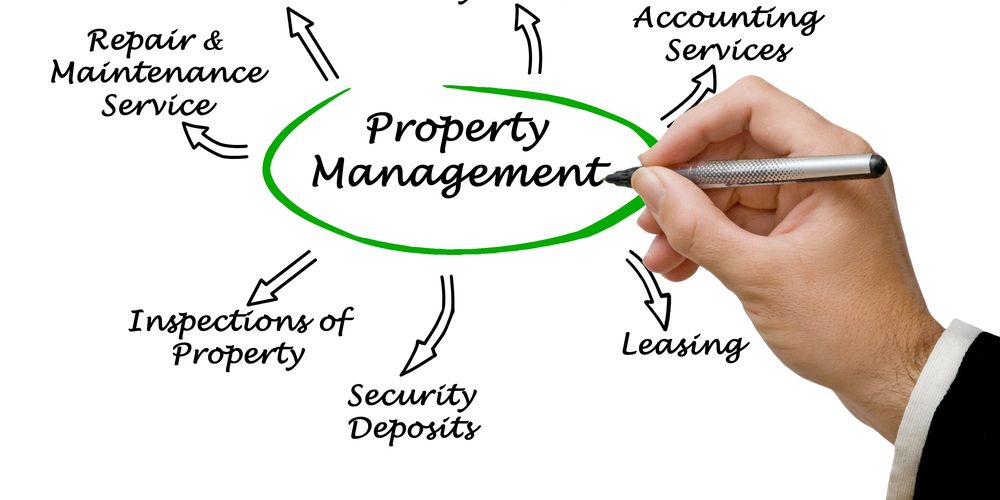
Hiring someone to manage your property and tenants is an expense that you will have to consider when determining the net profit of your investment. The amount you pay your manager can vary based on whether you are hiring an individual to live on the property or contracting with a property management company that visits your property as contracted/needed.
If you want your property manager to live on the property, hiring a superintendent (‘super’) who has basic plumbing or electrical skills can save you money on basic repairs. Payment for services may include a credit toward the rental unit in which the super would live, and/or an hourly fee for hours worked.
You should ask resident manager applicants questions about:
- their education and experience,
- the services they provide,
- the fees they charge, and
- their comprehension of landlord/tenant law.
Property management companies often charge:
- a fee between 5% and 10% of the rent collected to maintain the property, as well as
- a fixed fee to rent vacant units (e.g., 50% of one month’s rent).
Thus, when looking at the fee rates charged by potential property management companies, you will need a detailed list of all the tasks that will be covered for the price they are stating before you can accurately compare the total costs charge by the different management companies. You can find websites that offer a complete list of basic property management duties to help you determine the total cost of each management group you interview. Whether you are considering a property management company or a resident manager, ask for references – and check them out thoroughly. Websites such as AllPropertyManagement or ManageMyProperty provide a list of property management companies in your area based on the zip code and size of your property. Once you have developed a list of potential clients to consider, you should check out properties they currently manage. In addition,
- research company reviews on sites like Yelp or Facebook,
- get feedback from real estate agents and other property owners in your area about the quality of the services the companies provide, and
- check the Better Business Bureau to see what complaints, if any, have been filed against them.
Regardless of whom you select to manage your property, you still need to make occasional visits to your property to make sure that your established agreement is being fulfilled. Property management is a highly regulated field in California. Laws that directly or indirectly touch on property management appear in 15 separate state government codes. Thus, it is your responsibility to ensure that both the laws of the state and the rules of your property management contract are being met.


